
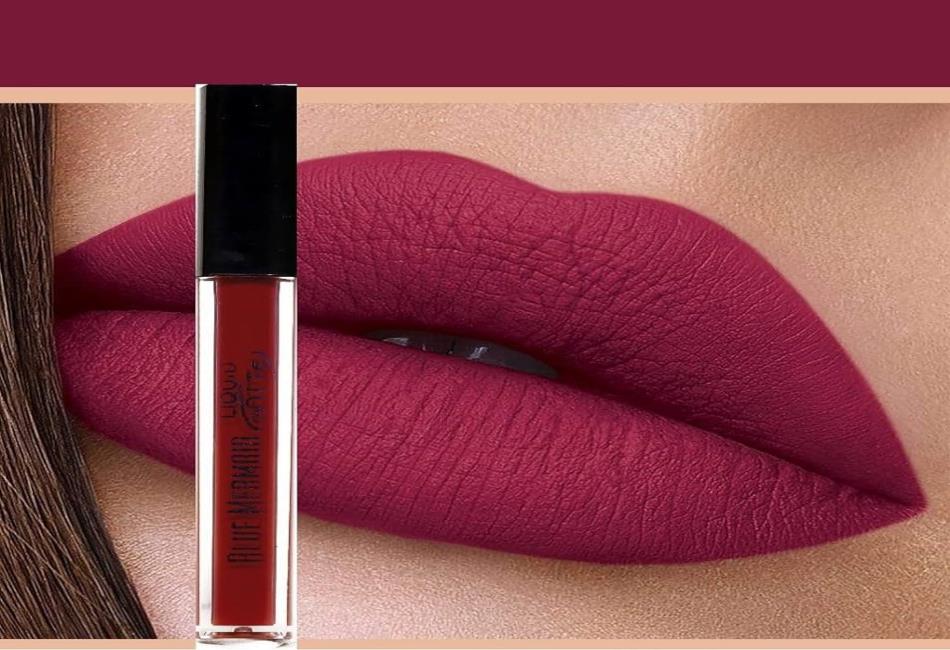
Maroon Color: A Deep Dive into Its Rich Hue and Versatility
Introduction
Maroon, a rich and dark shade of red, has long been associated with sophistication, elegance, and depth. Its name derives from the French word “marron,” meaning chestnut, which perfectly captures its warm, earthy undertones. This comprehensive article explores the origins of the maroon color, its psychological and cultural significance, applications in fashion and design, and tips for incorporating it into various aspects of life.
The Origins and History of Maroon
Maroon has been admired and utilized for centuries, often symbolizing wealth and power due to its deep, luxurious appearance. Historically, it was a color favored by royalty and the elite, evident in the rich tapestries and garments of medieval Europe. The color was achieved through natural dyes, such as madder root and cochineal insects, making it both precious and labor-intensive to produce.
Psychological and Cultural Significance
1. Psychological Impact
Maroon is a color that evokes a sense of confidence and stability. It combines the energetic and passionate qualities of red with the grounded and mature attributes of brown. This dual nature makes maroon a versatile color in expressing both intensity and composure. It is often used in environments where a sense of calm authority is desired, such as in corporate settings and educational institutions.
2. Cultural Associations
In various cultures, maroon holds different meanings and significance. In Western cultures, it is often associated with academia and tradition, seen in the robes of graduates and the interiors of old libraries. In some Asian cultures, maroon symbolizes prosperity and good fortune. The color is also prevalent in religious and ceremonial contexts, representing sacrifice, courage, and spiritual depth.
Maroon in Fashion
Maroon’s timeless appeal makes it a staple in the world of fashion. It offers a unique alternative to more conventional colors like black and navy, providing richness and depth without being overly flashy.
1. Wardrobe Staples
Maroon garments are versatile and can be adapted for various occasions. A maroon blazer or dress can make a powerful statement in professional settings, while a maroon sweater or scarf adds warmth and style to casual outfits. Its compatibility with both warm and cool tones makes it easy to pair with other colors.
2. Accessories
Maroon accessories, such as bags, shoes, and ties, add a touch of sophistication to any ensemble. These accents can elevate a simple outfit, making it look more polished and intentional.
3. Seasonal Trends
Maroon is particularly popular in fall and winter fashion, reflecting the colors of the changing leaves and the cozy atmosphere of these seasons. Designers often incorporate maroon into their autumn and winter collections, using rich fabrics like velvet and wool to enhance its luxurious feel.
Maroon in Interior Design
Maroon is a powerful color in interior design, capable of transforming spaces with its warm, inviting presence.
1. Living Spaces
In living rooms, maroon can be used to create a cozy and sophisticated atmosphere. Accent walls, furniture, and decorative elements in maroon can add depth and character to the space. Pairing maroon with neutral tones like beige, gray, and white can balance its intensity and create a harmonious look.
2. Bedrooms
Maroon is an excellent choice for bedrooms, where it can promote a sense of warmth and comfort. Maroon bedding, curtains, or accent pillows can make the room feel more inviting and luxurious. Combining maroon with soft, muted colors like blush pink or cream can create a serene and elegant environment.
3. Kitchens and Dining Areas
In kitchens and dining areas, maroon can add a touch of elegance and richness. Maroon cabinets, backsplashes, or dining chairs can make a bold statement. When used in moderation, maroon can create a striking contrast with lighter colors and materials, such as marble countertops or white walls.
Maroon in Art and Design
Maroon’s depth and versatility make it a favorite among artists and designers.
1. Fine Art
Artists often use maroon to convey emotion and depth in their work. Its rich, dark hue can evoke feelings of passion, mystery, and intensity. Maroon can be used to create dramatic contrasts or to add subtle warmth to a composition.
2. Graphic Design
In graphic design, maroon is often used to create a sense of professionalism and sophistication. It is a popular choice for branding, particularly for companies seeking to convey stability and reliability. Maroon can be used in logos, websites, and marketing materials to create a cohesive and polished look.
3. Digital Media
In digital media, maroon is used to create visually appealing and engaging content. It works well in combination with other colors and can be used to highlight important elements or create a sense of hierarchy.
Tips for Using Maroon
Incorporating maroon into your life can be both stylish and rewarding. Here are some tips for using maroon effectively:
1. Color Pairings
Maroon pairs well with a variety of colors, including:
- Neutrals: Beige, gray, and white create a balanced and sophisticated look.
- Metallics: Gold and silver add a touch of glamour and luxury.
- Other Shades of Red: Combining maroon with lighter or darker shades of red can create a harmonious and cohesive palette.
- Contrasting Colors: Colors like teal, mustard, and forest green provide a striking contrast that enhances maroon’s richness.
2. Balance and Moderation
While maroon is a powerful color, it is essential to use it in moderation to avoid overwhelming a space or outfit. Use maroon as an accent color or in combination with lighter tones to create a balanced and visually appealing result.
3. Texture and Material
The texture and material of maroon items can significantly impact their appearance. Rich fabrics like velvet, silk, and wool enhance maroon’s luxurious feel, while matte finishes and natural materials can create a more subdued and organic look.
Conclusion
Maroon is a color that embodies sophistication, depth, and versatility. Its rich hue and warm undertones make it a timeless choice for fashion, interior design, art, and beyond. Whether used as a bold statement or a subtle accent, maroon has the power to transform and elevate any setting. By understanding its origins, psychological impact, and practical applications, you can harness the beauty and elegance of maroon in various aspects of your life.


