
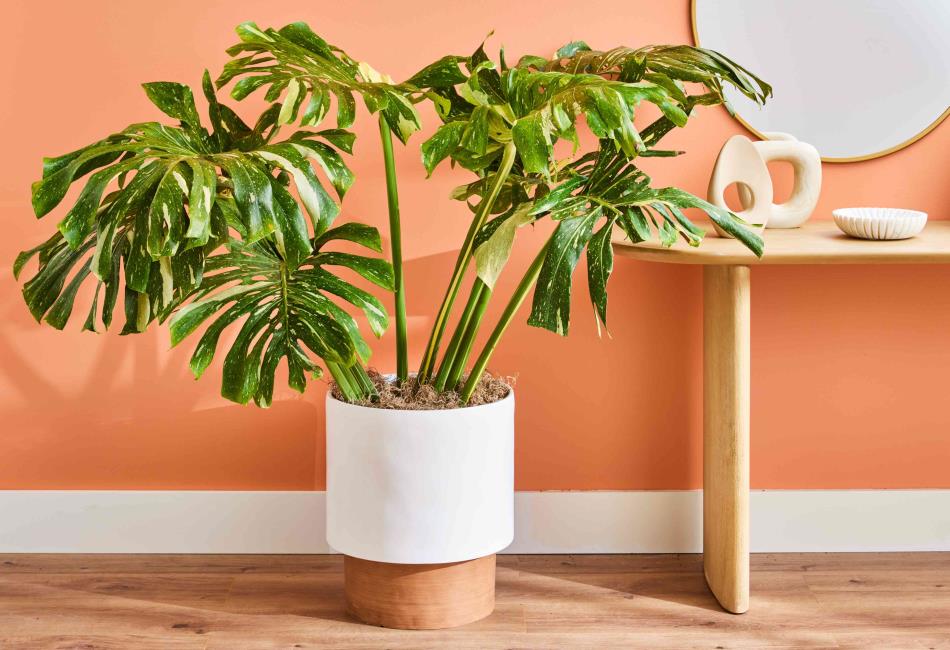
Thai Constellation Monstera: A Guide to the Care and Cultivation of This Stunning Houseplant
The Thai Constellation Monstera, known scientifically as Monstera deliciosa ‘Thai Constellation’, is one of the most sought-after houseplants among plant enthusiasts and collectors. Its striking variegation and large, fenestrated leaves make it a captivating addition to any indoor garden. However, this plant’s beauty comes with a need for specific care and attention. In this article, we’ll explore the origins, care requirements, propagation, and the allure of the Thai Constellation Monstera.

1. Origins and Characteristics
The Thai Constellation Monstera is a variegated cultivar of the more common Monstera deliciosa, often referred to as the “Swiss cheese plant” due to the characteristic holes (fenestrations) in its leaves. What sets the Thai Constellation apart is its unique and eye-catching variegation. The leaves of this plant are marbled with creamy white or pale yellow streaks and splashes, resembling a starry night sky—hence the name “Thai Constellation.”
This variegation is the result of a genetic mutation that reduces the chlorophyll in parts of the plant, leading to the lighter coloring. Unlike other variegated plants, the Thai Constellation’s variegation is stable, meaning it is less likely to revert to solid green, making it a reliable and stunning choice for plant lovers.
Originally bred in Thailand, this plant was developed through tissue culture, which has helped make it more available to the public, though it remains a rare and expensive specimen due to its high demand and relatively slow growth rate.
2. Care Requirements
Caring for a Thai Constellation Monstera is not overly complicated, but it does require some specific conditions to thrive, especially due to its variegation.
Light Requirements: The Thai Constellation Monstera prefers bright, indirect light. Because of the reduced chlorophyll in its variegated parts, it needs more light than its fully green counterparts to carry out photosynthesis effectively. However, direct sunlight should be avoided as it can scorch the leaves, particularly the lighter, variegated sections. An east-facing window or a spot that receives filtered light is ideal.
Watering: Watering the Thai Constellation Monstera requires balance. The plant prefers to stay slightly moist but not waterlogged. Overwatering can lead to root rot, a common problem with Monsteras. Allow the top inch or so of the soil to dry out between waterings. The best practice is to water thoroughly until water drains from the bottom of the pot, ensuring even moisture throughout the soil.
Humidity: High humidity is essential for the Thai Constellation Monstera, mimicking its natural tropical environment. Aim for a humidity level of at least 60%, though 70% or higher is preferable. In dry climates or during winter months, using a humidifier or placing the plant on a tray of water with pebbles can help maintain the necessary humidity levels.
Temperature: This plant thrives in warm temperatures, ideally between 65°F and 80°F (18°C to 27°C). It is not frost-tolerant and should be kept away from drafts or sudden temperature changes, which can stress the plant and cause leaf damage.
Soil and Potting: The Thai Constellation Monstera prefers a well-draining, airy soil mix. A mix designed for aroids, with components like peat moss, perlite, and orchid bark, is ideal. This allows for adequate drainage and aeration, reducing the risk of root rot. Repotting should be done every 2-3 years or when the plant becomes root-bound. Choose a pot with drainage holes to prevent water accumulation at the bottom.
Fertilization: During the growing season, typically from spring to early fall, fertilize the Thai Constellation Monstera every 4-6 weeks with a balanced, water-soluble fertilizer. This provides the necessary nutrients to support its growth and maintain its vibrant variegation. Be cautious not to over-fertilize, as this can lead to salt buildup in the soil, potentially damaging the plant.
3. Propagation of Thai Constellation Monstera
Propagating the Thai Constellation Monstera can be a rewarding experience, though it requires patience due to the plant’s slow growth rate. The most common method of propagation is through stem cuttings.
Steps for Propagation:
- Choose a Healthy Stem: Select a stem with at least one node (the part where leaves and roots grow) and ideally one or two leaves. The node is essential as it contains the cells necessary for root development.
- Cut the Stem: Using a clean, sharp knife or scissors, cut just below the node. Ensure the cutting is healthy and free of pests or diseases.
- Rooting the Cutting: Place the cutting in water or directly into a pot with a well-draining soil mix. If using water, change it every few days to keep it fresh and prevent stagnation. If planting directly in soil, keep the soil moist but not waterlogged.
- Wait for Root Development: It can take several weeks for roots to develop. Once the roots are a few inches long, the cutting can be potted in soil if it was started in water.
- Transition to Normal Care: Once the cutting is established in its new pot, transition to the regular care routine described above.
4. Common Issues and Solutions
Despite its beauty, the Thai Constellation Monstera is not immune to common houseplant problems. Understanding these issues and how to address them is crucial for maintaining a healthy plant.
Yellowing Leaves: Yellow leaves can be a sign of overwatering, underwatering, or nutrient deficiencies. Assess your watering routine and ensure the plant is receiving balanced fertilization. If the problem persists, check for root rot.
Brown Leaf Edges: Brown edges on the leaves often indicate low humidity or inconsistent watering. Increasing humidity and adjusting your watering schedule can help resolve this issue.
Pest Infestations: Like many houseplants, the Thai Constellation Monstera can be susceptible to pests such as spider mites, mealybugs, and scale. Regularly inspect the plant and treat any infestations promptly with insecticidal soap or neem oil.
5. The Allure of the Thai Constellation Monstera
The Thai Constellation Monstera’s popularity stems not only from its stunning appearance but also from the sense of exclusivity it brings to plant collections. Its variegation, large leaves, and tropical aesthetic make it a centerpiece in any indoor garden. Additionally, as a plant that requires attentive care, it appeals to dedicated plant enthusiasts who enjoy the challenge of nurturing a rare and unique specimen.
6. Conclusion
The Thai Constellation Monstera is a captivating plant that brings a touch of the tropics to any indoor space. While it requires specific care to maintain its health and variegation, the reward of owning and growing this stunning plant is well worth the effort. Whether you are a seasoned plant collector or a beginner looking to add a showstopper to your collection, the Thai Constellation Monstera offers a perfect blend of beauty and challenge.