
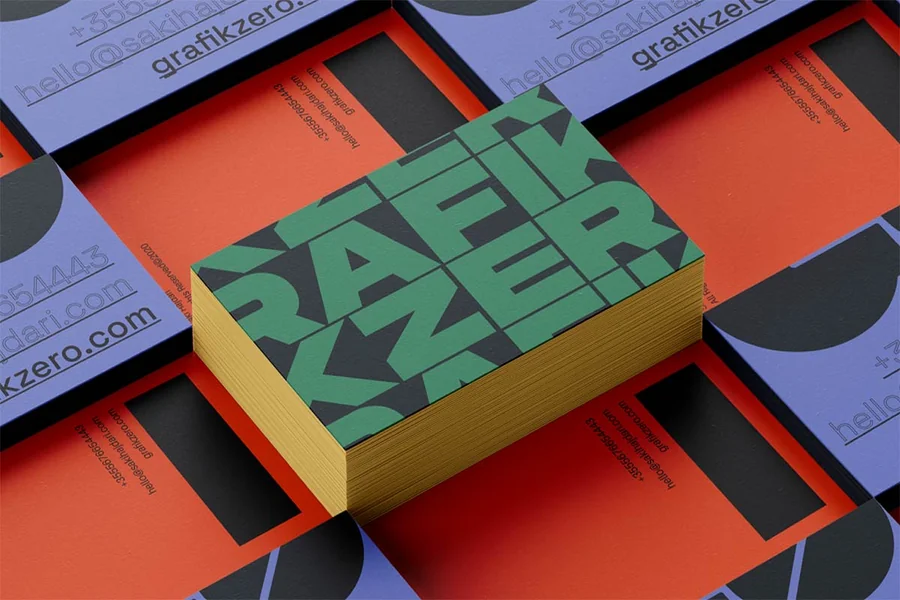
How Typography and Word Choice Work Together in Creative Design
Creative design is more than colors and layouts. The words on a page and the way they appear can change how people feel about a message within seconds. Typography and word choice work together like two parts of the same system. One controls the visual flow while the other shapes the meaning. When both are used carefully they create designs that feel clear natural and memorable.
In modern branding marketing and digital content strong communication matters more than ever. A good design does not only look nice. It helps people understand information quickly and stay connected with the message. This is why designers and writers often work closely together. Tools like SynonymWave also help creators explore better wording choices that match the tone and style of a design without making the message feel forced.
Why Typography Matters in Design
Typography is the style and arrangement of text. It includes font choice size spacing alignment and structure. Many people think typography is only about making words attractive but it has a much larger role in communication.
Typography guides the reader’s attention. It tells people what is important and what should be read first. Headlines usually appear larger because they need immediate attention. Body text stays simple because readers need comfort during longer reading sessions.
A clean typeface can make a brand feel professional. A handwritten style may feel personal and relaxed. Bold fonts often create energy while thin fonts may feel calm or modern. Every font creates a different emotional response even before someone reads the actual words.
Good typography also improves readability. If the text is difficult to read people lose interest quickly. Even the best message can fail when poor typography gets in the way.
The Power of Word Choice
Words shape the voice of a design. The same idea can sound exciting serious friendly or direct depending on the wording.
For example a fitness brand could say:
- “Transform Your Body”
- “Start Feeling Stronger Today”
- “Simple Steps for Better Health”
All three lines communicate similar ideas but each creates a different mood. Word choice changes how people connect emotionally with a message.
Creative design depends heavily on this emotional connection. A poster advertisement website or social media graphic becomes stronger when the wording matches the visual tone.
Short and direct wording often works best in design because visuals already carry part of the message. Overloading designs with long complicated text usually weakens impact.
How Typography and Words Support Each Other
Typography and wording should never fight against each other. They should move together naturally.
Imagine a luxury fashion brand using playful comic-style fonts with serious elegant wording. The message would feel confusing. On the other hand a clean serif font paired with refined language creates consistency.
When typography and word choice match the same emotional direction the design feels balanced.
Here are some examples:
Minimal Designs Need Clear Language
Minimal designs usually use clean fonts lots of space and simple layouts. The wording in these designs should also stay direct and uncluttered.
Instead of:
“Discover the revolutionary possibilities available through our advanced platform”
A minimal design works better with:
“Simple tools for better work”
The typography and wording both support simplicity.
Bold Typography Needs Strong Words
Large bold fonts naturally attract attention. They pair best with confident language.
Examples:
- “Move Faster”
- “Create More”
- “Stand Out”
Strong typography combined with powerful wording creates energy and urgency.
Friendly Fonts Match Conversational Language
Rounded fonts and casual typography styles often feel approachable. They work well with friendly wording.
Examples:
- “Let’s get started”
- “You’ve got this”
- “Made for everyday life”
The design feels more human because the words and typography support the same tone.
The Role of Hierarchy in Communication
Typography creates hierarchy which helps readers scan information quickly. Hierarchy means arranging content by importance.
A design usually includes:
- Headlines
- Subheadings
- Body text
- Call-to-action text
Each section uses different typography styles to guide attention.
Word choice also supports hierarchy. Headlines often use short attention-grabbing phrases. Body text explains details. Calls to action encourage movement.
For example:
Headline
“Build Better Habits”
Subheading
“Simple tools for daily progress”
Button
“Start Today”
The typography helps separate each section visually while the wording keeps communication smooth and focused.
Branding Depends on Consistency
Brands become memorable through consistent design choices. Typography and wording are major parts of brand identity.
Think about popular companies. Many use the same typography style across websites advertisements packaging and social media. Their language style also stays consistent.
Some brands sound professional and formal. Others sound energetic and playful. Typography helps reinforce that voice visually.
If a company suddenly changes both font style and wording tone customers may feel disconnected because the identity becomes unclear.
Consistency builds trust. When typography and language stay aligned audiences recognize the brand faster.
Digital Design Makes Typography Even More Important
Digital platforms have changed how people consume content. Users scroll quickly and attention spans are shorter. Typography now plays a major role in grabbing attention instantly.
Large headlines readable fonts and clear spacing improve user experience across websites and mobile devices.
Word choice matters just as much because online readers often scan instead of reading every sentence.
Good digital design uses:
- Short headlines
- Clear calls to action
- Simple sentence structures
- Easy-to-read typography
Together these elements improve engagement and readability.
Social Media Shows the Importance of Fast Communication
Social media platforms prove how typography and wording affect engagement. Posts with clear text and strong visual hierarchy often perform better because users process information quickly.
A strong Instagram graphic or Facebook ad usually combines:
- Short wording
- Bold typography
- Strong contrast
- Clear message direction
People decide within seconds whether to stop scrolling. Typography catches the eye while wording keeps attention.
Designers often test different font sizes and wording combinations to improve performance. Even small changes can affect clicks shares and conversions.
Emotional Design Starts with Visual Language
People respond emotionally to design even when they do not realize it. Typography and wording both influence mood.
Soft typography combined with calm wording can create comfort. Sharp typography paired with direct wording creates urgency.
This emotional effect matters in:
- Advertising
- Website design
- Packaging
- Posters
- Video graphics
- Product labels
A children’s brand uses different typography and language than a law firm because each audience expects different emotional signals.
Creative design works best when people instantly feel the intended tone without confusion.
Readability Should Always Come First
Some designers focus too heavily on appearance and forget usability. Stylish typography loses value if people cannot read the message.
Good design balances creativity with clarity.
Here are a few readability principles:
- Avoid overly decorative fonts for long text
- Maintain proper spacing
- Use font sizes that work across devices
- Keep wording concise
- Avoid unnecessary complexity
Simple communication often creates stronger engagement than overly artistic layouts.
Collaboration Between Writers and Designers
Strong creative projects often come from teamwork. Writers understand tone structure and clarity while designers understand layout spacing and visual balance.
When both sides collaborate early the final result feels unified.
For example a writer may shorten headlines so they fit better visually. A designer may adjust typography to improve emotional impact.
This collaboration creates smoother communication because every element supports the same message.
Trends Continue to Change
Typography trends evolve constantly. Some years favor bold oversized fonts while others move toward clean minimal styles.
Language trends also change. Modern audiences often prefer conversational wording instead of corporate language.
Successful creative professionals stay flexible. They study how people react to visual communication and adjust their approach over time.
Still one principle remains consistent: typography and wording must support each other.
No trend can replace clear communication.
The Future of Creative Communication
As digital experiences continue growing typography and wording will become even more connected. Artificial intelligence personalized content and interactive design all depend on strong communication systems.
Designers now create experiences for websites apps videos and smart devices. In every case typography shapes visual flow while wording shapes understanding.
Brands that master both areas will continue standing out because people remember communication that feels natural easy and emotionally clear.
Creative design is not only about decoration. It is about helping people feel something understand something or take action. Typography and word choice work together to make that happen.
Final Thoughts
Typography and word choice are both essential parts of creative design. One controls how the message looks while the other controls what the message says. When combined properly they create communication that feels clear engaging and memorable.
Good typography improves readability guides attention and builds emotional tone. Strong word choice creates personality clarity and connection. Together they help brands communicate more effectively across digital and print platforms.
The best designs are rarely complicated. They succeed because every visual and verbal element works toward the same goal. Whether creating a website social media post advertisement or brand identity understanding the relationship between typography and wording can improve the entire creative process.
Read Also: Exploring the Iconic ‘Friends’ Font: A Design Guide


